RFK Jr.: U.S. rejects WHO declaration over pro-abortion and radical gender agenda
At the United Nations this week, Robert F. Kennedy Jr. announced that the United States will refuse to endorse a proposed WHO declaration that, in his view, goes far beyond health issues — pushing abortion rights and radical gender ideology on sovereign nations.

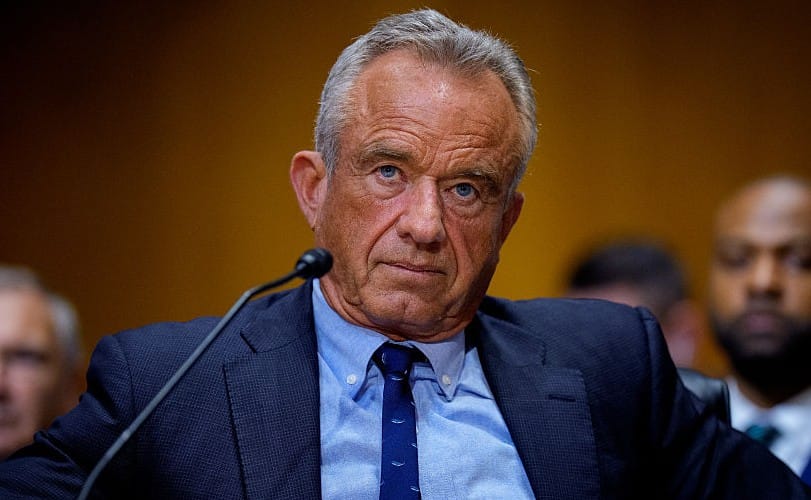
Kennedy, speaking as part of the U.S. delegation on non-communicable diseases, warned that the draft text pursues a global, one-size-fits-all agenda that undermines national authority in matters of life, family, and identity.
A bold stand for sovereignty and life
“We cannot accept language that pushes destructive gender ideology,” Kennedy declared, emphasizing that the U.S. would reject any claim of an international or constitutional right to abortion.
He argued that the declaration exceeds the rightful role of the United Nations and WHO, making demands about taxation, international management, and social policies rather than focusing on core health priorities.
Kennedy insisted the U.S. will walk away from the document but not from its duty to confront chronic diseases, insisting that any global commitment must respect families, cultures, and local decision-making.
Why this rejection matters
This move by RFK Jr. represents more than a policy disagreement. It signals a reassertion of national sovereignty against a rising tide of global mandates that seek to override moral questions with bureaucratic diktats.
The WHO’s failure during COVID, Kennedy noted, already exposed how unelected institutions can erode accountability, costing lives and trust.
By publicly rejecting this declaration, the U.S. is drawing a line: neither abortion ideology nor enforced gender frameworks will be imposed on nations that defend life and natural order.